
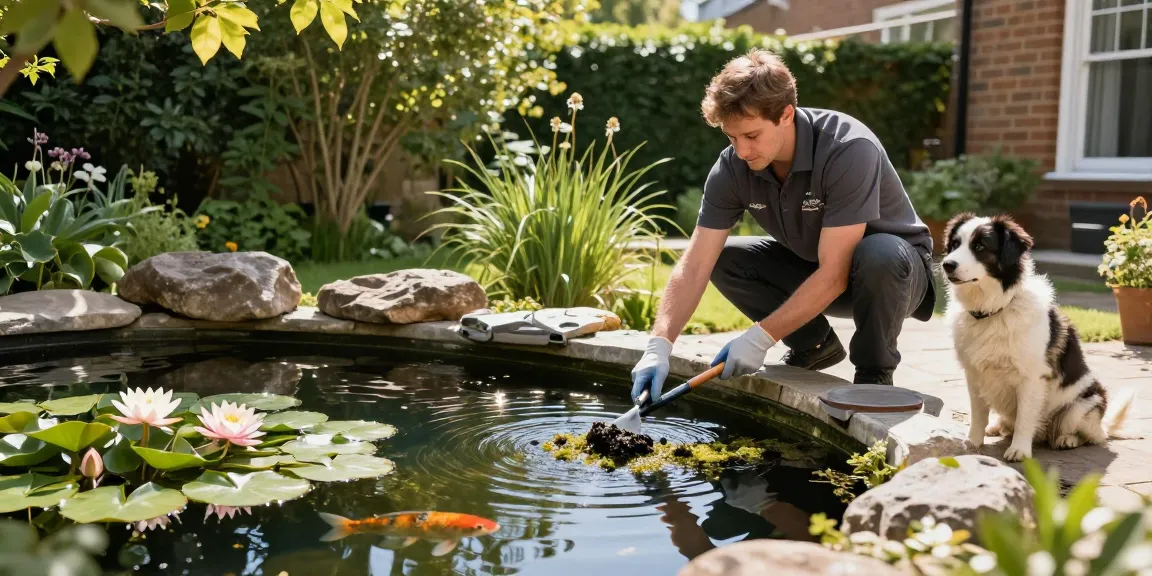

Understanding the Importance of Pond Maintenance
Pond maintenance is not just about aesthetics; it plays a crucial role in preserving aquatic ecosystems and enhancing property value. In urban environments like London, where green spaces are at a premium, maintaining a clean and healthy pond can significantly benefit local wildlife and provide a serene retreat for residents. Engaging in regular pond cleaning and maintenance is pivotal for ensuring a sustainable and thriving aquatic habitat. When exploring options, Pond Clean London offers comprehensive insights into effective pond care services available in your area.
What is Pond Cleaning and Why is it Essential?
Pond cleaning involves the removal of debris, sludge, and algae from the pond’s surface and bottom. This process is essential for several reasons:
- Water Quality Improvement: Clean ponds offer better water quality, which is vital for fish and other aquatic life.
- Preventing Algae Blooms: Regular cleaning helps prevent the excessive growth of algae that can deplete oxygen levels in the water.
- Aesthetic Appeal: A well-maintained pond enhances your property’s beauty, making it a peaceful spot for relaxation and enjoyment.
The Role of Aquatic Health in Pond Care
Maintaining aquatic health is integral to pond care. Healthy ponds support diverse ecosystems, including fish, amphibians, and various plant species. Regular cleaning helps maintain this balance by:
- Managing nutrient levels, thereby preventing overstimulated algae growth.
- Supporting the natural food chain within the pond ecosystem.
- Encouraging beneficial microorganisms that contribute to overall pond health.
Impact of Poor Maintenance on Pond Ecosystems
Poorly maintained ponds can become breeding grounds for foul odors, diseases, and pests. The consequences of neglecting pond maintenance can be severe:
- Fish Death: Low oxygen levels from algae blooms can lead to fish kills.
- Invasive Species: Weeds and unwanted species can proliferate, disrupting the ecosystem’s balance.
- Property Damage: Accumulated sludge and debris can lead to costly damages and repairs over time.
Common Challenges in Pond Cleaning
Debris Accumulation and Algae Growth
One of the most common challenges faced in pond maintenance is the accumulation of debris such as leaves, dirt, and organic matter. This buildup can create a breeding ground for algae, which can grow rapidly and take over the pond. Regular cleaning and maintenance ensure that these issues are managed effectively, promoting a healthier ecosystem.
Water Quality Issues and Solutions
Maintaining water quality is crucial for the health of aquatic life. Common water quality issues include:
- High Nutrient Levels: Excess nutrients from fertilizers can lead to algae blooms.
- pH Imbalance: The pH level can fluctuate due to various external factors, affecting aquatic life.
- Temperature Variations: Warm water can hold less oxygen, stressing pond inhabitants.
Solutions such as installing aerators, adding beneficial bacteria, and performing regular water tests can significantly improve water quality.
Seasonal Maintenance: What to Know
Seasonal changes greatly affect pond ecosystems. Here’s how maintenance should vary throughout the year:
- Spring: Remove winter debris and assess plant growth.
- Summer: Monitor algae growth and perform regular checks for water quality.
- Autumn: Clear falling leaves and prepare the pond for winter.
- Winter: Ensure that any ice is managed to provide oxygen for fish and other wildlife.
Effective Techniques for Pond Cleaning
Tools and Equipment Needed for Pond Care
Investing in the right tools and equipment enhances the efficiency of your pond cleaning efforts. Essential tools include:
- Pond Vacuum: Helps remove sludge and debris efficiently.
- Netting: For capturing larger debris and preventing fish from escaping during maintenance.
- Water Quality Test Kits: To regularly monitor pH and nutrient levels.
Step-by-Step Guide for Efficient Cleaning
Cleaning a pond effectively requires a systematic approach:
- Drain the Pond: Safely remove water while ensuring fish and wildlife are relocated appropriately.
- Remove Debris: Use nets and vacuums to clear out leaves, algae, and sludge.
- Clean the Liner: If applicable, scrub the liner to remove algae and stains.
- Refill the Pond: Add fresh, treated water, ensuring temperature and pH levels are optimal.
- Monitor: Regularly check water quality and observe the health of fish and plants.
Best Practices for Safe Fish Handling
Fish health is paramount during pond cleaning. Here are some best practices:
- Use a Holding Tank: Temporary holding tanks protect fish during cleaning.
- Minimize Stress: Handle fish gently and avoid overcrowding in holding tanks.
- Observe Health: Keep an eye out for any signs of stress or disease before reintroducing fish into the pond.
Choosing the Right Pond Cleaning Service in London
What to Look For in a Professional Service
When selecting a pond cleaning service, consider the following:
- Experience and Expertise: Look for providers with a solid track record in pond care.
- Reviews and Testimonials: Check feedback from previous clients for insight into their service quality.
- Service Range: A comprehensive service offering including cleaning, maintenance, and repairs is beneficial.
Comparing Local Providers: Key Considerations
When comparing local pond cleaning providers, evaluate:
- Pricing: Obtain quotes and understand what services are included.
- Insurance: Ensure the service is insured to protect against potential damages.
- Environmental Practices: Look for eco-friendly practices to promote sustainability.
Understanding Costs and Pricing Structures
The cost of pond cleaning varies based on factors such as size, location, and service complexity. Typically, small to medium ponds can expect to pay between £350 and £600 for a thorough cleaning. Annual maintenance packages can also be a cost-effective solution.
Future Trends in Pond Care and Sustainability
Innovations in Eco-Friendly Pond Products
The trend towards eco-friendliness is prominent in pond care with innovations such as:
- Biodegradable Cleaners: Products that break down naturally are gaining popularity.
- Eco-Friendly Filters: New filtration systems are designed to minimize energy use and enhance water quality.
Community Initiatives for Pond Health Awareness
Communities in London are promoting pond health awareness through initiatives such as:
- Workshops: Educational sessions on proper pond maintenance and ecological impact.
- Clean-Up Events: Community efforts to clean local ponds and promote biodiversity.
Predictions for Pond Care Practices in 2026
Looking ahead to 2026, predictions for pond care include increased reliance on technology for monitoring water quality and advanced cleaning techniques that enhance efficiency and ecological safety. The integration of smart technology in pond maintenance may revolutionize how we approach pond care.
How Technology is Changing Pond Maintenance
Technology is playing a significant role in pond maintenance with innovations such as:
- Automated Sensors: Devices that monitor water quality in real-time.
- Drones: For assessing pond conditions and managing vegetation.
How much does it cost to clean a pond in London?
Costs can vary significantly, but on average, small ponds may range from £350 to £450, while medium-sized ponds can fall between £450 and £600. Complex cleanings or larger ponds may exceed these amounts.
What are the signs that my pond needs cleaning?
Signs include murky water, excessive algae growth, foul odors, and the presence of dead fish or plants, indicating that it’s time for a thorough clean.
How often should I schedule pond cleaning services?
Regular maintenance is recommended at least once a season, with additional services during periods of heavy debris accumulation.
Can I clean my pond myself?
While DIY pond cleaning is possible, hiring professionals is advisable for larger ponds or those with significant ecological complexities to ensure the health of aquatic life.
What are the benefits of professional pond cleaning?
Professional services guarantee comprehensive care, ensuring optimal water quality, safe handling of aquatic life, and maintenance of ecological balance, thereby enhancing the longevity of your pond.