
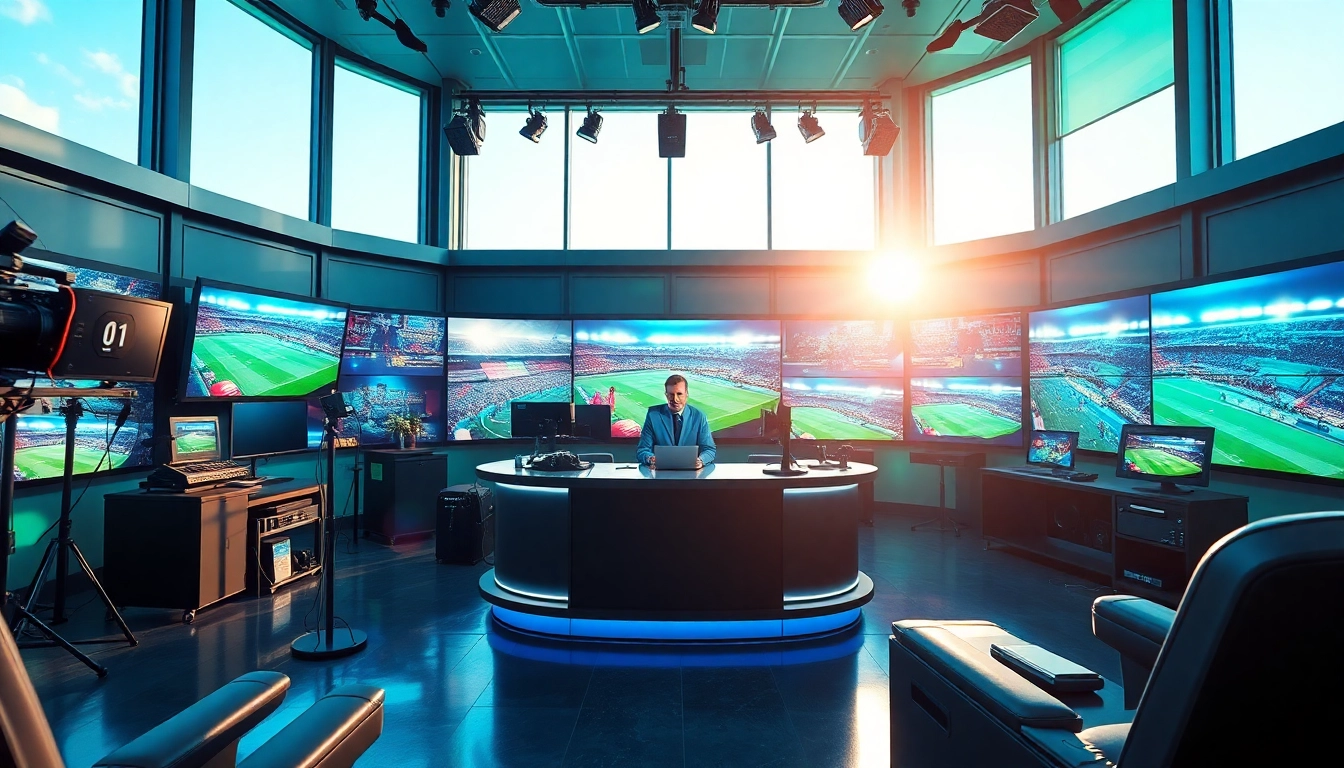
Understanding Sports Broadcasting
Definition and Importance of Sports Broadcasting
Sports broadcasting refers to the dissemination of sports events through television, radio, or digital platforms. It plays a crucial role in the sports ecosystem, enabling fans to connect with their favorite teams and athletes in real-time. By bringing live action to homes and devices, Sports Broadcasting enhances fan engagement, drives advertising revenue, and boosts overall interest in sporting events. It also serves as a platform for sports organizations to promote their brand, engage with sponsors, and deliver compelling storytelling that enhances viewer experience.
Historical Development of Sports Broadcasting
The origins of sports broadcasting can be traced back to the early 20th century when radio became a popular medium. The first live sports broadcast occurred in 1921 when a boxing match between Jack Dempsey and Georges Carpentier was aired. With the introduction of television in the 1950s, sports broadcasting transformed significantly. Iconic moments such as the 1958 NFL Championship prompted a surge in viewership, leading networks to invest heavily in sports content. Over the decades, satellite and cable TV expanded access, while the advent of the internet opened new doors for streaming and on-demand viewing.
Current Trends in Sports Broadcasting
Today, sports broadcasting is evolving rapidly due to technological advancements and changing consumer behavior. Live streaming services are becoming increasingly popular, allowing fans to watch games on various devices. Additionally, social media platforms play a vital role in promoting live events, engaging fans, and providing instant updates. The rise of virtual and augmented reality offers innovative viewing experiences, pushing the boundaries of traditional broadcasting. Furthermore, data analytics is influencing content creation, helping broadcasters tailor programming to viewer preferences.
Tools and Technology in Sports Broadcasting
Essential Equipment for Sports Broadcasting
The backbone of sports broadcasting lies in its equipment. High-definition cameras capture the action, while microphones ensure crisp audio from commentators and players. Switchers and mixers are used to control footage from multiple camera angles, facilitating seamless transitions. In addition, graphics and animation systems enhance viewer engagement with real-time statistics, scores, and player information. Furthermore, mobile broadcasting units are increasingly used for on-site coverage, allowing greater flexibility and immediacy in reporting.
Role of Software in Modern Sports Broadcasting
Software plays an integral role in sports broadcasting, streamlining operations and improving production quality. Live broadcasting software enables real-time streaming and content management, while graphics software helps create engaging visual elements. Specialized analytics software is utilized to gather data about viewer preferences, enabling broadcasters to adjust content strategies effectively. Collaboration tools enhance communication among teams, from production to marketing, ensuring everyone is aligned for successful broadcasts.
Innovative Technologies Shaping Sports Broadcasting
Innovations such as AI and machine learning are transforming sports broadcasting. AI-generated graphics and highlight reels are enhancing viewer engagement by delivering personalized content. Additionally, drones are increasingly being used for aerial shots, offering unique perspectives during live broadcasts. The integration of 5G technology is also set to revolutionize live streaming capabilities, providing faster, more reliable connections that can accommodate higher quality streaming. Moreover, blockchain technology is emerging for securing broadcasting rights and ensuring fair pay for content creators.
The Audience and Sports Broadcasting
Identifying Your Target Audience
Understanding the audience is essential for successful sports broadcasting. Demographic data, including age, gender, and location, helps broadcasters tailor their content. Additionally, psychographic data, such as interests and viewing habits, provides deeper insights for creating engaging narratives. Broadcasters must consider niche audiences, such as eSports fans or local teams, to maximize reach and engagement. This segmenting allows for targeted marketing strategies that resonate with viewers.
Engaging with Viewers in Sports Broadcasting
Engagement strategies include interactive content, social media campaigns, and real-time polls during broadcasts. Creating a two-way communication channel enables fans to participate actively, enhancing their overall experience. Also, interactive platforms allow fans to comment, share highlights, and connect with their team. Further, personalized content driven by data analytics can lead to higher engagement levels, as viewers are more likely to connect with content that reflects their interests.
Measuring Audience Feedback and Insights
Monitoring audience feedback is critical for refining sports broadcasting strategies. Metrics such as viewership ratings, social media engagement, and audience retention help broadcasters understand viewer preferences. Surveys and focus groups also provide qualitative insights into fan experiences. Advanced analytics tools can track demographic shifts and viewing patterns, enabling broadcasters to adapt quickly to changing audience dynamics.
Challenges in Sports Broadcasting
Common Obstacles Faced by Broadcasters
While sports broadcasting offers numerous opportunities, it also presents challenges. Competition from alternative media, fragmented audience attention, and the rapid pace of technological change are significant hurdles. Broadcasters must continually innovate to maintain relevance and capture viewer interest. Budget constraints can limit the adoption of new technologies, making it essential for sports networks to allocate resources effectively while maximizing production quality.
Legal and Ethical Considerations
Broadcasting rights are a complex legal area, and it is crucial for broadcasters to understand and comply with regulations. Issues of copyright, image rights, and intellectual property can become contentious if not addressed. Moreover, ethical considerations arise concerning transparency in advertising and sponsorship disclosures. Broadcasters must strive for integrity in their reporting, ensuring that ethical standards are upheld to maintain trust among viewers.
Adaptations to Changing Viewer Behaviors
The rise of on-demand viewing and subscription-based models presents challenges. Traditional broadcasters must adapt to viewers who increasingly prefer to watch content on their terms. This shift necessitates investment in digital platforms and flexible viewing options. Broadcasters also need to develop new content formats that appeal to younger audiences, who are more inclined to consume highlights and snippets on social media rather than full games.
Future of Sports Broadcasting
Emerging Trends and Predictions
As technology evolves, so will sports broadcasting. Trends such as personalized content delivery, augmented reality, and immersive experiences are expected to gain traction. The use of virtual reality in broadcasts is predicted to grow, offering fans a front-row experience from their homes. Additionally, the integration of predictive analytics will likely reshape how content is produced, enabling broadcasters to tailor offerings based on viewer profiles.
The Impact of Streaming Services on Sports Broadcasting
Streaming services are changing the landscape of sports broadcasting. With a growing array of platforms offering live games, traditional networks must rethink their strategies to compete. This competition has led to subscription models that appeal directly to fans, often offering exclusive content or unique viewing experiences. Broadcasters must adapt to this shift by enhancing their digital offerings and leveraging partnerships with streaming services.
Preparing for the Next Generation of Sports Viewing
The next generation of sports viewers will demand more from their broadcasts. This includes a seamless, interactive experience with access to real-time stats and analytics. Broadcasters must innovate their offerings by incorporating user-generated content and community interaction. Moreover, maintaining a focus on sustainability and responsible broadcasting will be essential as viewers become more socially conscious.
Frequently Asked Questions
What is sports broadcasting?
Sports broadcasting involves transmitting live or recorded sports events via television, radio, or digital platforms, connecting fans to their favorite teams.
How has technology impacted sports broadcasting?
Technology has enhanced production quality, viewer engagement, and content availability, enabling real-time streaming and interactive experiences.
What are the main challenges in sports broadcasting?
Key challenges include competition from different media, navigating complex broadcasting rights, and adapting to changing viewer behaviors and preferences.
How can broadcasters engage their audience effectively?
Engagement can be enhanced through interactive content, social media integration, and personalizing experiences based on viewer insights and data.
What does the future hold for sports broadcasting?
The future is expected to focus on immersive experiences, personalized content delivery, and integrating advanced technologies like augmented reality.