Understanding Glass Machinery: An Overview
In the rapidly evolving field of manufacturing, glass machinery plays a pivotal role in ensuring high productivity and efficiency. As a critical component of various industries, including construction, automotive, and consumer goods, the demand for advanced glass processing technology is on the rise. This overview will explore the diverse types of glass machines available in the market, their key features, and how they support manufacturing efficiency, especially as we look toward 2026. When seeking expert insights into glass machine manufacturers, understanding the capabilities and applications of these machines is paramount.
What Types of Glass Machines Are Available?
Manufacturers offer a wide range of glass machinery tailored to meet various production needs. Here are some common types:
- Insulating Glass Production Line: Essential for creating energy-efficient windows, this line enables the assembly of double or triple-glazed units.
- Glass Washing Machine: Designed to clean glass before further processing, ensuring high-quality results.
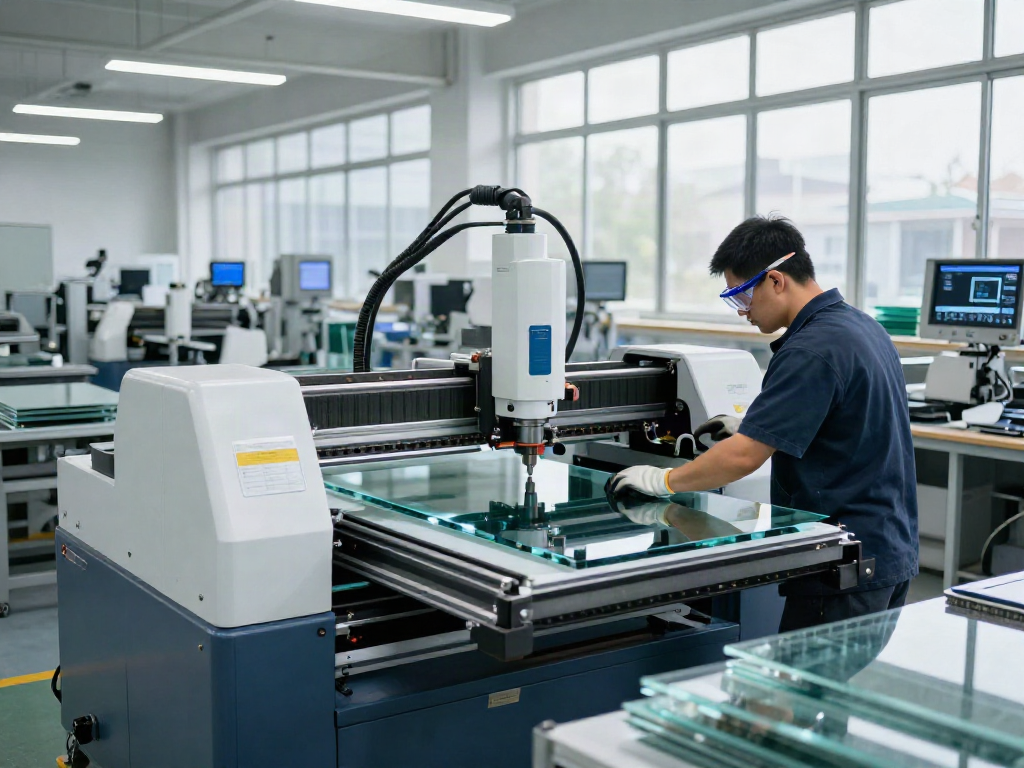
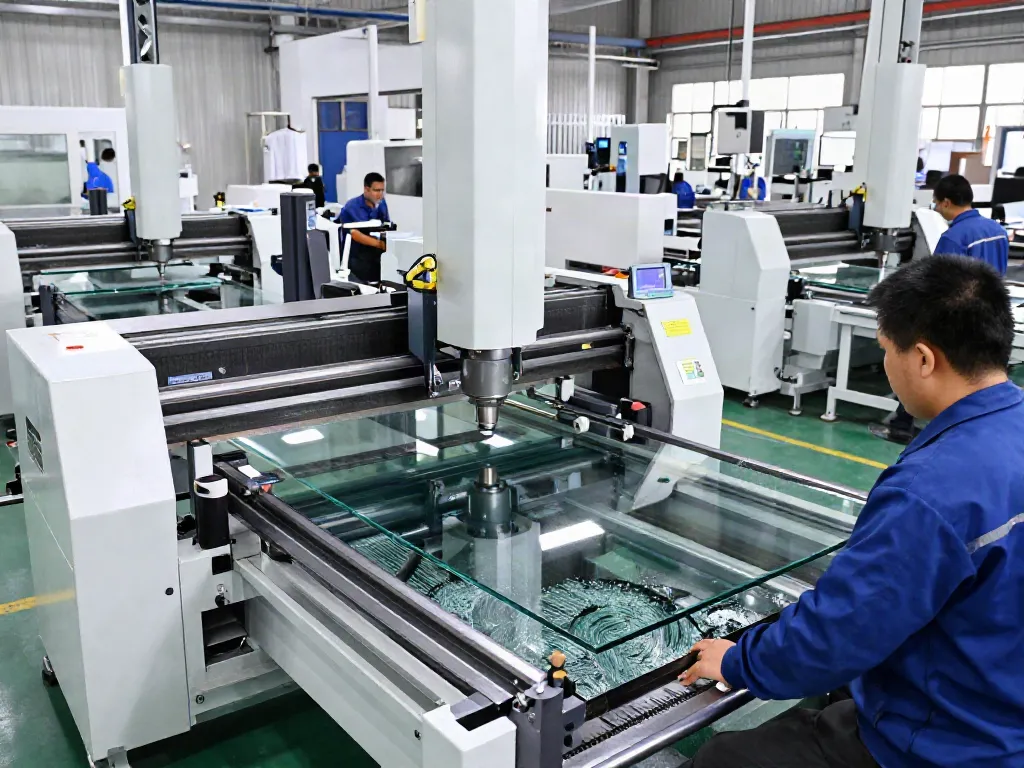
- Glass Cutting Machine: This machine precisely cuts glass sheets to size using advanced software and cutting techniques.
- Glass Edge Polishing Machine: It provides seamless edges on glass, enhancing both aesthetics and safety.
- Glass Laminating Machine: Utilized to bond layers of glass for increased strength and safety, particularly in automotive and architectural applications.
- Glass Drilling Machine: Perfect for creating holes in glass sheets with precision.
- Glass Lifting Machine: Facilitates the handling of large glass panels safely and efficiently.
- Glass Sandblasting Machine: Used for decorative finishes on glass surfaces.
- Laser Machines: These machines utilize laser technology for cutting, engraving, and marking glass products.
- PVC Window and Door Machine: This machinery is crucial for producing durable and energy-efficient window and door frames.
Key Features of Modern Glass Machines
Modern glass machines are equipped with advanced technology and features that enhance production efficiency and quality. Key features include:
- Automation: With automation capabilities, modern glass machinery can operate with minimal human intervention, reducing labor costs and improving precision.
- Computer Numerical Control (CNC): CNC technology allows for highly accurate cuts and engravings, providing manufacturers with greater design flexibility.
- Energy Efficiency: Many glass machines now incorporate energy-saving technologies, lowering operational costs and supporting sustainability initiatives.
- User-Friendly Interfaces: Intuitive controls make it easier for operators to use the machines, reducing training time and improving safety.
How Glass Machinery Supports Manufacturing Efficiency
The efficiency of glass manufacturing processes significantly improves with the use of advanced machinery. These machines enhance productivity through:
- Reduced Production Time: Faster processing speeds lead to higher output in a shorter timeframe.
- Consistent Quality: Automation and precision cutting ensure that each product meets stringent quality standards, reducing waste.
- Flexibility: Modern glass machines can adapt to different production needs, allowing manufacturers to switch between product lines with ease.
Market Trends for Glass Machine Manufacturers in 2026
As we approach 2026, several market trends are emerging in the glass machinery sector. These trends reflect the ongoing evolution of technology and consumer preferences.
Emerging Technologies in Glass Production
The glass manufacturing industry is witnessing rapid technological advancements. For instance, the integration of Artificial Intelligence (AI) and Machine Learning (ML) is enabling predictive maintenance of machinery, reducing downtime. Furthermore, innovations like 3D printing are beginning to make inroads into glass production, offering new design possibilities.
Sustainability Practices Among Manufacturers
With increasing awareness of environmental issues, sustainability is a significant focus for glass machine manufacturers. Many are adopting eco-friendly practices, such as recycling waste glass into new products and utilizing renewable energy for manufacturing processes. Implementing these practices not only meets consumer demand but can also enhance brand loyalty.
Consumer Demands Shaping the Industry
As consumers become more conscious of their choices, manufacturers must adapt to meet these demands. There is a growing preference for energy-efficient and aesthetically pleasing glass products, pushing manufacturers to invest in advanced machinery that can produce such items.
Choosing the Right Glass Machinery for Your Business
Selecting the appropriate glass machinery is crucial for businesses to thrive in this competitive landscape. Several factors must be considered to ensure the right decision.
Factors to Consider When Selecting Machinery
When evaluating glass machines, businesses should consider:
- Production Capacity: The machine must meet the production demands of your business.
- Technology Compatibility: Ensure the machinery is compatible with existing systems and processes.
- Space Requirements: Assess the physical space available for installation and operation.
- Maintenance Needs: Opt for machines that are easy to maintain to minimize downtime.
Cost Analysis of Various Glass Machines
The cost of glass machinery varies greatly depending on features, capacity, and automation level. Conducting a thorough cost analysis helps businesses to budget effectively. Additionally, considering the long-term operational costs, including energy consumption and maintenance, is essential for accurate budgeting.
Long-Term ROI: Investing in Quality Machinery
Investing in high-quality glass machinery may require a larger upfront investment but can yield substantial returns over time. Durable machinery will require less frequent replacement and repair, saving costs in the long run.
Industry Challenges Facing Glass Machine Manufacturers
While opportunities abound, the glass machine manufacturing industry also faces several challenges that threaten profitability and growth.
Supply Chain Issues Impacting Production
Global supply chain disruptions have affected the availability of raw materials and components necessary for manufacturing glass machinery. These challenges can lead to increased lead times and costs, impacting overall productivity.
Handling Competition in the Global Market
With numerous players in the glass machinery market, manufacturers face stiff competition. Differentiating products through innovation, quality, and customer service is essential to maintain a competitive edge.
Common Misconceptions About Glass Machinery
Many misconceptions exist regarding glass machinery, such as the belief that more expensive machines always perform better. Businesses must conduct thorough research and consider various factors, including functionality and suitability for specific applications, before making purchasing decisions.
The Future of Glass Machine Manufacturing
Looking ahead, the glass machinery manufacturing industry is poised for significant transformations driven by technological advancements and evolving market demands.
Predictions for Technological Advancements by 2026
By 2026, we can expect further advancements in automation and AI integration within glass machinery. These technologies will likely enhance operational efficiencies and enable more complex glass processing tasks.
Training and Development for Skilled Operators
As machinery becomes more sophisticated, the need for skilled operators will increase. Investing in training and development programs for employees is vital to ensure they can effectively operate and maintain new technology.
Innovative Solutions to Industry Problems
Many manufacturers are exploring innovative solutions to overcome industry challenges, such as implementing digital twins for real-time monitoring and maintenance of machinery, thereby improving reliability and reducing unplanned downtime.
Who is the biggest glass manufacturer?
As of now, companies like Saint-Gobain and AGC Glass are among the largest glass manufacturers globally, known for their extensive product lines and innovative solutions.
What are the latest technological advancements in glass machinery?
Recent advancements include the use of AI for predictive maintenance, increasing automation levels, and the introduction of IoT-enabled machines that provide real-time monitoring and analytics.
How do I choose a reliable glass machine manufacturer?
Look for manufacturers with a proven track record, positive customer reviews, and a commitment to after-sales support and warranty services.
What is the average cost of setting up a glass processing plant?
The cost can vary significantly based on the scale of operations, types of machinery, and automation levels. A detailed feasibility study can provide more accurate estimates tailored to your specific needs.
How can sustainability be integrated into glass manufacturing processes?
Sustainability can be integrated through recycling glass materials, optimizing energy use in machinery, and adopting eco-friendly manufacturing processes that minimize waste and emissions.