
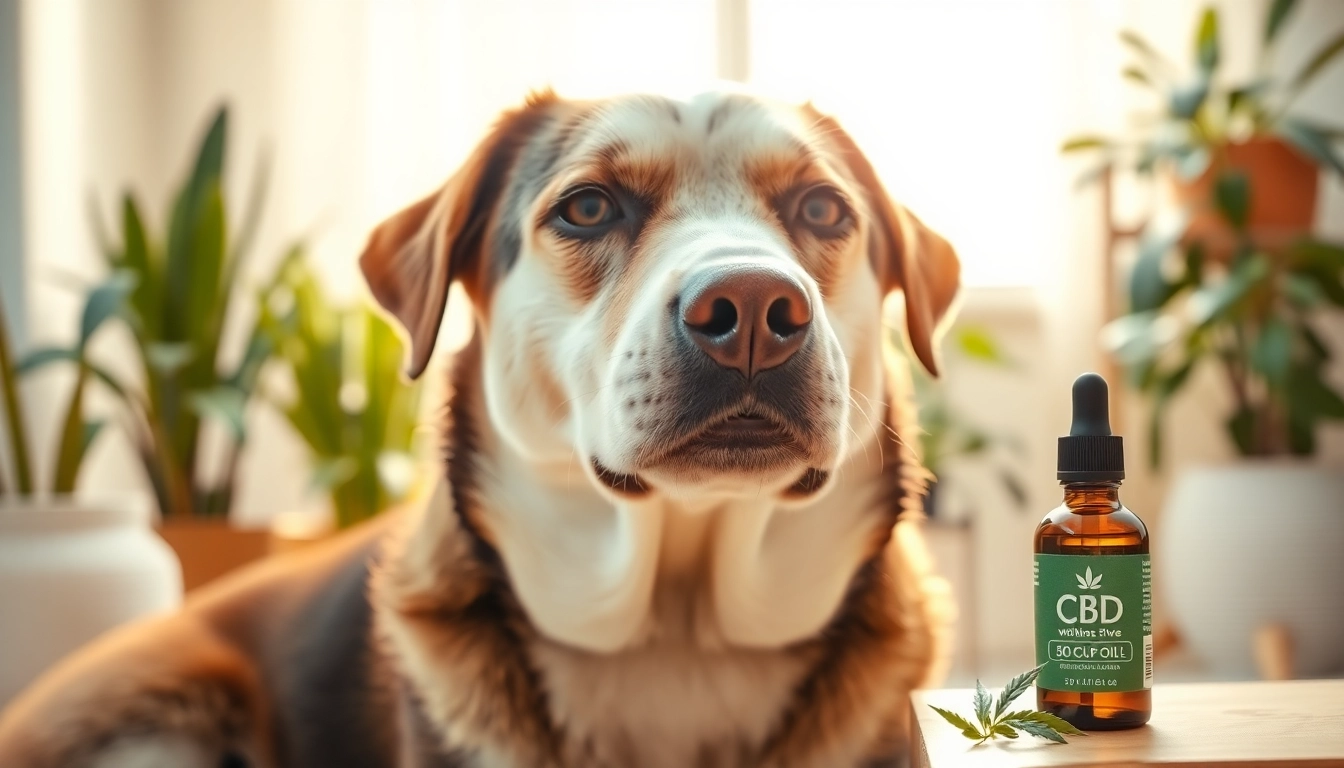

Understanding CBD For Pet: What Is It?
Definition and Extraction Methods
CBD, or cannabidiol, is a compound found in the cannabis Sativa plant, known for its therapeutic properties without the psychoactive effects associated with THC (tetrahydrocannabinol). Within the context of animal health, CBD For Pet refers to the use of this non-intoxicating compound specifically for pets such as dogs and cats. The extraction of CBD typically involves two primary methods: CO2 extraction and solvent extraction. CO2 extraction is the most popular and effective method, utilizing carbon dioxide under high pressure and low temperatures to isolate cannabinoids safely. In contrast, solvent extraction uses alcohol or other solvents, which can leave behind residual substances that may not be ideal for animal consumption.
Potential Benefits for Pets
The potential benefits of CBD for pets are diverse and range from alleviating anxiety to promoting overall wellness. Many pet owners have turned to CBD to help manage conditions such as arthritis, seizures, and chronic pain. It is also commonly used to reduce anxiety in pets, particularly during stressful situations such as thunderstorms or fireworks. Furthermore, CBD may assist in improving appetite and reducing nausea, helping animals who are undergoing treatments such as chemotherapy. As studies continue to emerge, the range of benefits associated with CBD appears to expand, offering potential solutions for various health issues in pets.
Legal Considerations Surrounding CBD For Pet
The legal status of CBD for pets can vary significantly based on geographical location. In many regions, laws are evolving to permit the use of CBD derived from hemp, providing it contains less than the federally mandated 0.3% THC. However, the FDA has not yet approved CBD products for veterinary use, which means that pet owners should proceed with caution. When considering the use of CBD for pets, it is crucial to check local regulations, as some states have prohibitive laws against the use and sale of CBD products for animals.
How CBD For Pet Works
Interaction with the Endocannabinoid System
Animals, like humans, possess an endocannabinoid system (ECS) that plays a critical role in regulating various bodily functions, including mood, appetite, pain sensation, and immune responses. The ECS consists of cannabinoid receptors (CB1 and CB2), endocannabinoids produced by the body, and enzymes involved in breaking down these compounds. When CBD is administered to pets, it interacts with the ECS, potentially helping to restore balance and improve overall well-being. Research suggests that CBD can help modulate inflammatory responses and provide neuroprotection, making it beneficial for managing several health conditions.
Effects on Common Pet Ailments
Many pet owners have reported positive effects of CBD in treating common ailments. For instance, CBD is known for its anti-inflammatory properties, which can help alleviate joint pain, particularly in older animals suffering from arthritis. Additionally, pets experiencing separation anxiety or fear-related behaviors can also benefit from CBD’s calming effects. The ability to promote relaxation without sedation is one of the appealing aspects of using CBD for animal care. Furthermore, preliminary studies have indicated CBD’s potential in reducing the frequency and severity of seizures in pets with epilepsy, leading to a better quality of life.
Scientific Studies Supporting CBD For Pet Use
A growing body of scientific research supports the use of CBD for pets. One notable study conducted at Colorado State University found that dogs with osteoarthritis experienced a significant reduction in pain and increased activity levels after being administered CBD oil. In another study, over 80% of dogs treated with CBD showed reduction in seizure frequency. These promising results are bolstered by anecdotal evidence from pet owners and veterinarians who have observed the positive transformations in their pets’ lives. Continued research will further clarify the potential and establish proper dosage and usage recommendations for various conditions.
Selecting the Right CBD For Pet Products
Types of CBD Products Available
There are various types of CBD products available for pets, catering to different preferences and needs. The most common forms include oils, tinctures, capsules, treats, and topicals. CBD oils and tinctures allow for precise dosing and can be mixed with food or given directly, making them versatile options for pet owners. Edible treats infused with CBD provide a familiar format for pets, appealing to their snack habits, while topical applications can be useful for localized issues such as skin problems or sore joints. Each product has its own benefits, and pet owners should choose based on their pet’s specific needs and preferences.
Dosage Recommendations for Different Pets
Determining the appropriate dosage of CBD for pets can be challenging, as it varies based on factors such as weight, health condition, and individual sensitivity. Generally, it is recommended to start with a low dose and gradually increase it while observing your pet’s response. A common guideline suggests starting with 1-5 mg of CBD per 10 pounds of body weight, given a few times a day. It is essential to consult with a veterinarian, especially if your pet is on other medications or has underlying health conditions, to establish a personalized dosage plan.
Researching Product Quality and Safety
Not all CBD products are created equal, and pet owners must prioritize quality and safety when selecting CBD for their pets. Look for products that undergo third-party lab testing to verify their cannabinoid content and ensure they are free from harmful contaminants such as heavy metals, pesticides, and solvents. Transparency from manufacturers regarding their sourcing and manufacturing processes reflects a commitment to quality. Additionally, check for labels indicating the presence of organic ingredients and avoid any products that contain additives or artificial preservatives.
Real-Life Experiences with CBD For Pet
Testimonials from Pet Owners
Pet owners across the country have shared heartfelt testimonials about their experiences with CBD for pets. Many report significant improvements in their pets’ quality of life, especially in cases of chronic pain or anxiety disorders. Owners often describe their dogs as more playful and less anxious, with notable reductions in behaviors such as excessive barking or destructive chewing. These personal accounts serve as compelling evidence of CBD’s potential impact on pet health and happiness.
Case Studies on CBD For Pet Efficacy
Several case studies have documented the efficacy of CBD in treating various conditions in pets. For example, cases of older dogs with joint pain have shown improved mobility and decreased signs of discomfort after CBD administration. Similarly, cats experiencing obesity-related health issues have exhibited positive changes in activity levels and overall well-being upon beginning a CBD regimen. These studies highlight not only the effectiveness of CBD in treating specific ailments but also its potential in promoting general wellness among pets.
Consultation with Veterinarians
Consulting with a veterinarian knowledgeable about CBD is crucial for pet owners considering this treatment option. A veterinarian can provide essential insights into the appropriate types of CBD products for specific conditions, advise on dosing, and help monitor the pet’s response over time. Veterinary guidance can also assist in identifying potential interactions with other medications, ensuring a safe and effective approach to utilizing CBD for pets.
Best Practices for Introducing CBD For Pet
Gradual Introductions and Monitoring Effects
When introducing CBD to a pet’s routine, it is important to start gradually. Begin with the lowest recommended dose and observe how your pet reacts. Every animal is different; therefore, watching for any adverse effects or improvements is essential. Possible side effects may include drowsiness or gastrointestinal upset. Gradually increasing the dosage after the initial introduction can help determine the optimal level for your pet’s needs.
Tracking Changes in Pet Behavior
Keeping a journal or log of your pet’s behavior after introducing CBD can be incredibly useful. Note any changes in activity levels, eating habits, or overall demeanor, as these observations can guide adjustments to their dosage or formulation. Monitoring how your pet responds to CBD allows for a tailored experience that best suits their health requirements.
When to Consult a Professional Veterinarian
If your pet exhibits any unusual reactions or if there is no noticeable improvement within a reasonable timeframe, consulting with a veterinarian is crucial. They can evaluate your pet’s health, rule out other underlying issues, and reassess the treatment plan. A veterinarian’s expertise helps ensure that CBD is used safely and effectively as part of a comprehensive approach to pet health.